
Innovative Uses of Smart Tourniquets

Tourniquets have long been essential tools in emergency medicine and surgery. However, recent advancements in technology have transformed these simple devices into sophisticated tools that improve patient outcomes and safety. The integration of sensors, data analytics, and automated controls has led to the development of advanced tourniquet technology, which is revolutionizing how medical professionals manage bleeding and limb ischemia.
In this article, we will explore the innovative uses of these modern devices, focusing on their applications, benefits, and future potential.
The Evolution of Advanced Tourniquet Technology
Tourniquets were traditionally simple straps tightened manually to stop blood flow during traumatic injuries or surgeries. While effective, they posed risks such as excessive pressure, tissue damage, and nerve injury. Advanced tourniquet technology addresses these challenges by incorporating smart features that monitor and adjust pressure in real-time.
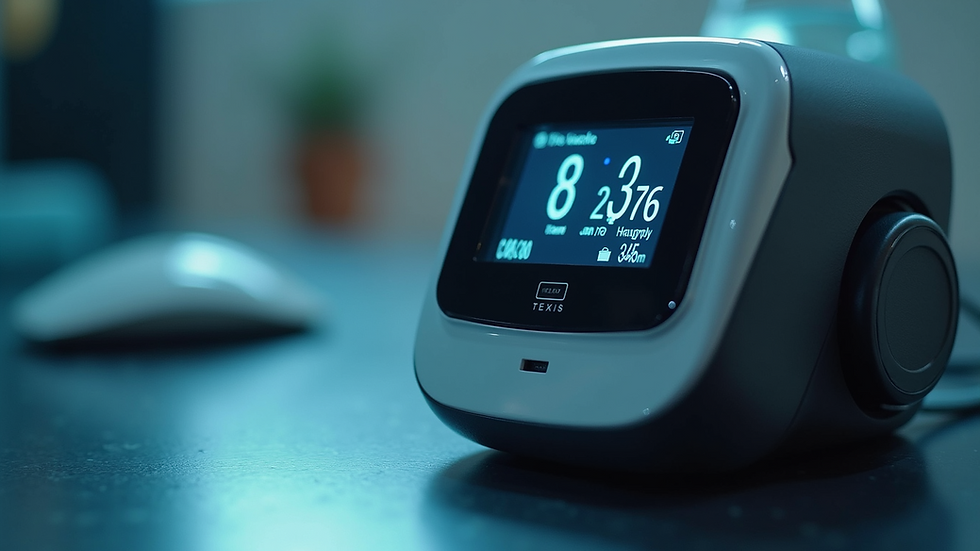
Modern devices use sensors to measure limb circumference, blood flow, and pressure applied. This data allows for precise control, minimizing complications and improving patient safety. For example, some systems can automatically inflate or deflate the cuff to maintain optimal pressure, reducing the risk of tissue damage.
These innovations have made tourniquets more reliable and user-friendly, especially in high-stress environments like emergency rooms and battlefield medicine.
Practical Applications of Advanced Tourniquet Technology
The versatility of advanced tourniquet technology extends across various medical fields. Here are some key applications:
Emergency Medicine and Trauma Care
In emergency situations, rapid and effective hemorrhage control is critical. Advanced tourniquets equipped with sensors can provide real-time feedback to first responders, ensuring the correct pressure is applied quickly. This reduces the risk of over-tightening and subsequent tissue damage.
Additionally, some devices can record data such as application time and pressure levels, which can be invaluable for hospital staff during patient handover and treatment planning.
Surgical Procedures
During surgeries, especially orthopedic and vascular operations, tourniquets are used to create a bloodless field. Advanced technology allows surgeons to maintain consistent pressure, improving visibility and reducing blood loss. Automated adjustments help prevent complications related to prolonged tourniquet use.
Military and Tactical Use
Military medics benefit greatly from smart tourniquets that can be applied under stressful conditions with minimal training. The ability to monitor pressure and application time remotely can improve casualty outcomes in combat zones.
Remote and Telemedicine Applications
With the rise of telemedicine, advanced tourniquets can be integrated into remote patient monitoring systems. This allows healthcare providers to guide non-professionals in applying tourniquets correctly during emergencies, potentially saving lives in areas without immediate medical access.
How Smart Tourniquets Enhance Patient Safety and Outcomes
The integration of smart technology into tourniquets has a direct impact on patient safety. By continuously monitoring pressure and blood flow, these devices reduce the risk of complications such as nerve damage, muscle injury, and ischemia.
For example, a smart tourniquet can alert users if the pressure is too high or if the device has been applied for too long. This proactive approach helps prevent irreversible tissue damage.
Moreover, data collected by these devices can be used for post-treatment analysis, helping medical teams refine protocols and improve future care.

Future Trends in Advanced Tourniquet Technology
The future of tourniquet technology looks promising, with ongoing research focusing on enhancing functionality and integration with other medical devices. Some emerging trends include:
Wireless Connectivity: Enabling real-time data transmission to healthcare providers for remote monitoring and decision-making.
AI Integration: Using artificial intelligence to predict optimal pressure settings based on patient-specific factors.
Miniaturization: Developing smaller, more portable devices for easier use in field conditions.
Biocompatible Materials: Improving comfort and reducing skin irritation during prolonged use.
These advancements will further improve the effectiveness and safety of tourniquets, making them indispensable tools in both civilian and military medicine.
Practical Tips for Using Advanced Tourniquet Technology
To maximize the benefits of advanced tourniquets, consider the following recommendations:
Training: Ensure all users are trained on device operation and interpretation of sensor feedback.
Regular Maintenance: Keep devices calibrated and in good working order to ensure accuracy.
Monitor Application Time: Use device alerts to avoid prolonged application that can cause tissue damage.
Data Utilization: Leverage recorded data for clinical decision-making and quality improvement.
Patient Communication: Inform patients about the device’s function and any sensations they might experience.
By following these guidelines, healthcare providers can enhance patient safety and treatment outcomes.
Embracing Advanced Tourniquet Technology for Better Care
The integration of smart features into tourniquets marks a significant leap forward in medical technology. These devices not only improve the precision and safety of hemorrhage control but also provide valuable data that can enhance clinical practice.
As technology continues to evolve, the adoption of advanced tourniquet technology will become increasingly important in emergency medicine, surgery, and beyond. Embracing these innovations ensures better care, faster response times, and improved patient outcomes.
For those interested in exploring the latest in smart tourniquet technology, resources such as Pressure Medical offer a range of cutting-edge products designed to meet modern medical needs.


Comments